Fire Pit Cost Guide: New Builds, Renovations & ROI
Dennis Mutahi
Landscape Design Writer
Most fire pit cost guides assume you're starting from scratch. But a large share of homeowners searching this topic already have a fire pit that's cracked, dated, or due for a gas conversion. This guide covers both: what new fire pits cost at every tier — from a $200 portable bowl to an $8,000+ built-in area — and what it costs to renovate, reline, resurface, or upgrade an existing one. Plus which materials hold up and what the ROI data says about fire pit value at resale.
Quick Answer
- Budget under $500: Portable fire bowl — functional, no installation required.
- $1,500–$3,000: DIY or simple contractor-built fire pit with basic paver surround.
- $3,000–$8,000: Built-in fire pit area with seating wall, gas option, and integrated patio.
- $8,000–$15,000+: Premium outdoor fireplace or full fire pit entertaining area with pergola.
- Renovation / upgrade: $300–$4,000 depending on whether you're relining, resurfacing, or converting to gas.
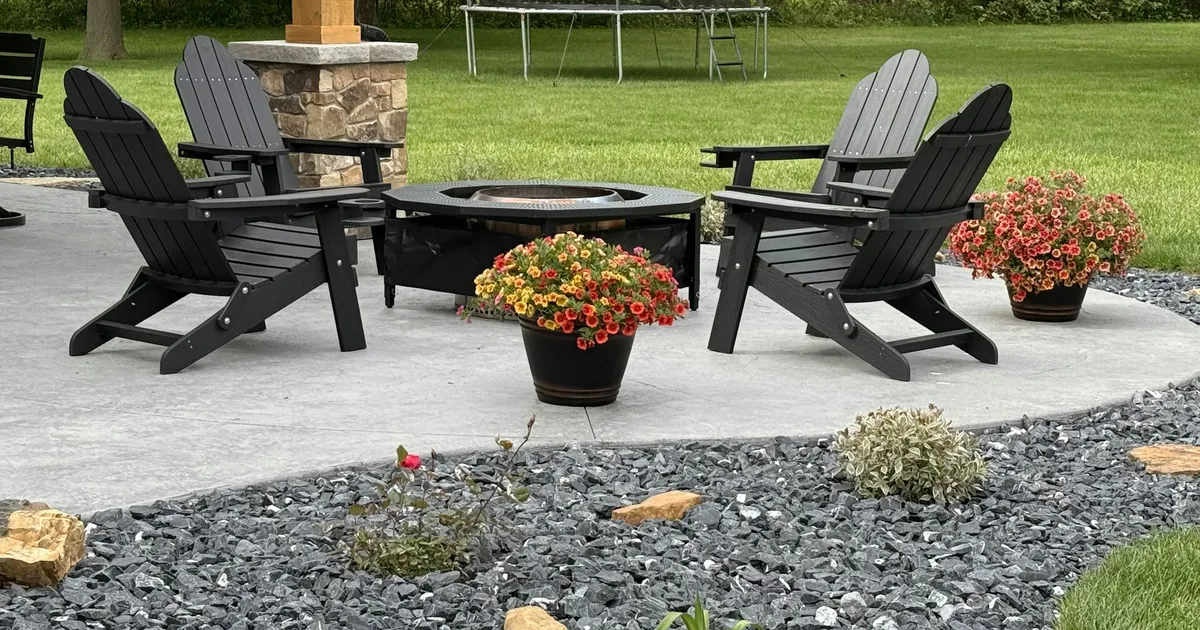
Fire Pit Costs by Tier
Fire pit projects sort cleanly into four tiers, each representing a different construction approach and intended outcome. The price difference between tiers is significant — and not always proportional to the visual or functional improvement.
| Tier | Cost Range | What You Get | Resale Value |
|---|---|---|---|
| Portable bowl | $150–$600 | Steel or cast iron fire bowl, no installation | None |
| DIY pit | $500–$1,800 | In-ground or block ring, basic paver surround | Minimal |
| Built-in fire pit area | $2,500–$8,000 | Stone/masonry pit, integrated patio, seating wall option | Moderate to High |
| Outdoor fireplace / premium area | $8,000–$20,000+ | Full masonry fireplace or fire feature, pergola, gas | High |
| Renovation / repair | $300–$4,000 | Relining, resurfacing, gas conversion, seating addition | Moderate |
Fire Pit Renovation Costs: Repairing, Upgrading & Converting
If you already have a fire pit, you rarely need to start over. Most renovations target one component — the interior liner, the exterior facing, the fuel source, or the seating around it — and cost a fraction of a new build. Here is what each of the five most common fire pit renovation projects costs.
a) Relining a fire pit (replacing the interior fire bowl)
Standard concrete or stone interiors spall from thermal cycling after 3–7 years. Relining restores the pit without touching the exterior.
- Steel liner insert: $150–$600 — DIY-friendly, drops into the existing ring
- Refractory brick relining by a mason: $400–$1,200 — not a DIY job
b) Resurfacing / refacing the exterior
For outdated stone veneer, crumbling mortar, or an aesthetic refresh. The concrete block core is almost always sound — only the facing needs replacing.
- Re-veneer (manufactured stone to natural stone): $800–$3,000 depending on surface area and material
c) Converting wood-burning to gas
Driven by smoke restrictions, convenience, and resale appeal. A licensed plumber is required regardless of the existing pit's condition.
- Total conversion: $1,500–$4,000 — burner kit $300–$800 + licensed plumber for the gas line $500–$2,000 + permits $100–$500
d) Adding a seating wall to an existing pit
When the pit is good but the space around it is underdeveloped. This is the most common "renovation" project — and the one with the strongest ROI signal.
- Built-in seating wall: $1,500–$5,000 depending on material and linear footage
e) Repair: repointing mortar joints
Mortar joints crack over time from freeze-thaw cycles. Repointing restores them without a full resurface.
- Repointing by a mason: $200–$600 — DIY-able if you're comfortable with masonry
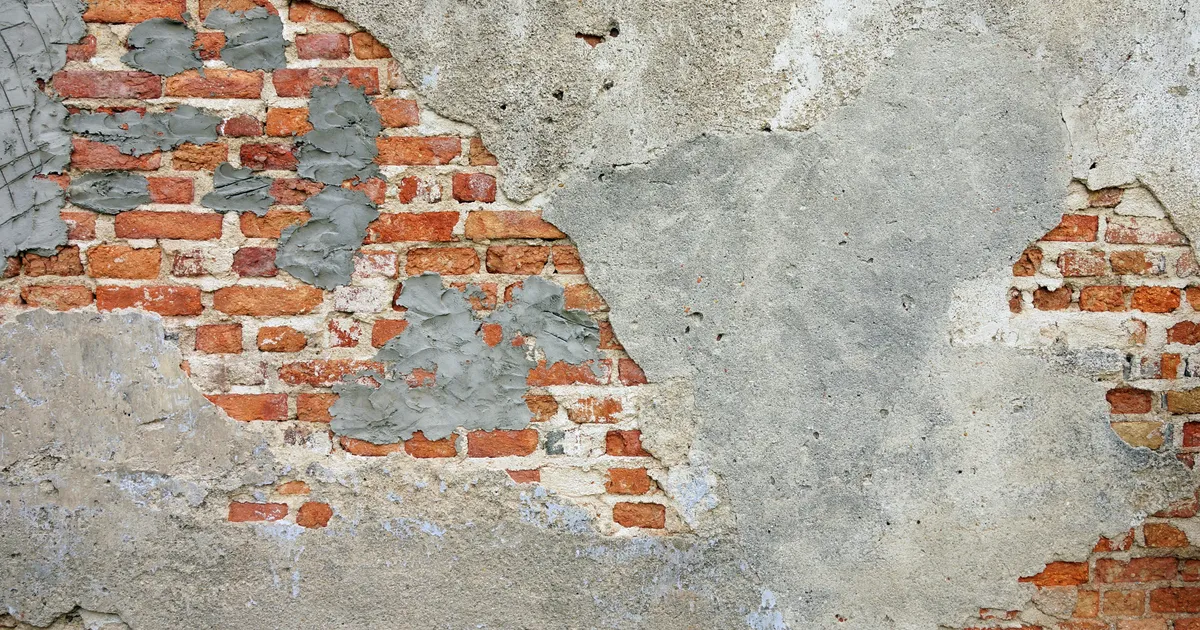
Reline or renovate? The simple test
If the interior surface is visibly spalling, pitting, or has active cracks, it needs relining before the next season. If only the mortar joints are deteriorating, repointing is sufficient — a full renovation isn't necessary.
Portable Fire Pits: The Cheap and Flexible Option
The portable fire bowl market has expanded significantly, and at the $400–$600 price point, modern steel fire pits with decorative cutout patterns or Corten weathering steel finishes can look genuinely intentional in the right backyard. The key is context: a quality fire bowl on a large flagstone pad with appropriate seating reads as designed. The same bowl dropped on bare grass reads as an afterthought.
Best use cases: Renters, homeowners testing the concept before committing to a built-in, or properties where fire codes restrict permanent installations. Also appropriate for secondary seating areas where a full built-in would be disproportionate to the space.
Safety minimum: Portable fire pits should always be placed on a non-combustible surface — flagstone, concrete, or a fire-rated pad. Keep a minimum 10-foot clearance from structures, overhanging vegetation, and fences. Many areas have seasonal burn bans that apply to portable pits as well as permanent ones.
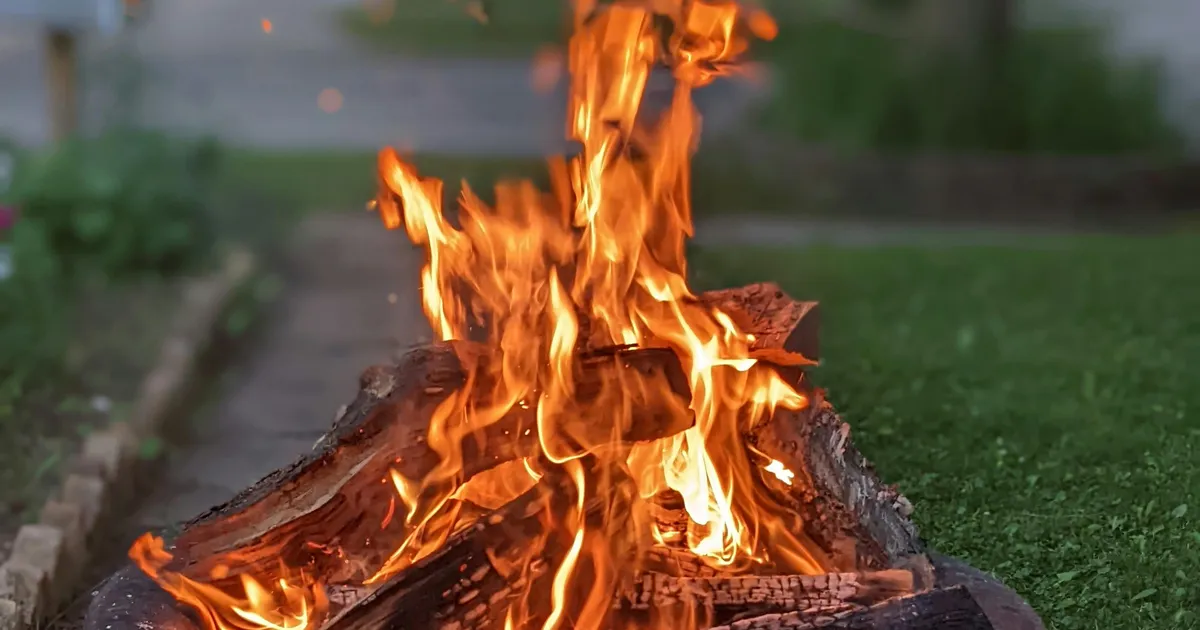
Fire Pit Cost by Size
Most fire pits land between 36 and 48 inches in diameter. Larger pits cost more — but the bigger budget impact is the patio around them, not the pit itself.
| Diameter | Typical Installed Cost | Seats Comfortably |
|---|---|---|
| 36 inches | $800–$2,500 | 4 people |
| 40 inches | $1,000–$3,500 | 4–5 people |
| 44 inches | $1,200–$4,500 | 5–6 people |
| 48 inches | $1,500–$6,000 | 6–8 people |
Size affects the surrounding patio cost more than the pit itself. A 48-inch pit crammed into a 10×10 patio is worse — visually and functionally — than a 36-inch pit set in a 14×14 patio with room to circulate. Size the pit to the space, not the other way around.
Built-In Fire Pit Areas: Cost Breakdown
A built-in fire pit project typically involves four cost components: the fire pit structure itself, the surrounding patio or ground surface, seating (chairs or a built-in wall), and any gas connection. Here is what each component costs:
Fire Pit Structure
- Concrete block base with stone veneer: $800–$2,500 installed (most popular)
- Natural stone or brick masonry: $1,500–$4,000 installed
- Steel fire bowl set into masonry ring: $600–$1,500 (DIY-friendly)
- Prefab concrete fire pit kit: $400–$900 materials, $400–$800 installation
Surrounding Patio
A fire pit placed on an existing patio adds $800–$2,500 to the cost of that project. A fire pit area built from scratch requires installing the patio base as well:
- Concrete paver patio (12×12 ft): $1,800–$4,500 installed
- Flagstone patio (12×12 ft): $2,500–$6,000 installed
- Crushed stone or gravel base: $600–$1,500 — practical but less polished
Foundation & Base
- Gravel base (4–6 inches, standard for most above-ground): $100–$300
- Concrete pad (gas pits, heavy stone structures, poor soil): $500–$2,000
Under most local codes, gas installations require a concrete pad — it is not optional.
Permits
- Portable: no permit required in most jurisdictions
- Permanent wood-burning: $20–$300 depending on municipality
- Gas fire pit: $100–$500, always required, includes inspection
Separately from permits, many areas enforce seasonal burn bans that restrict when a wood-burning pit can be used — check your local fire authority before building.
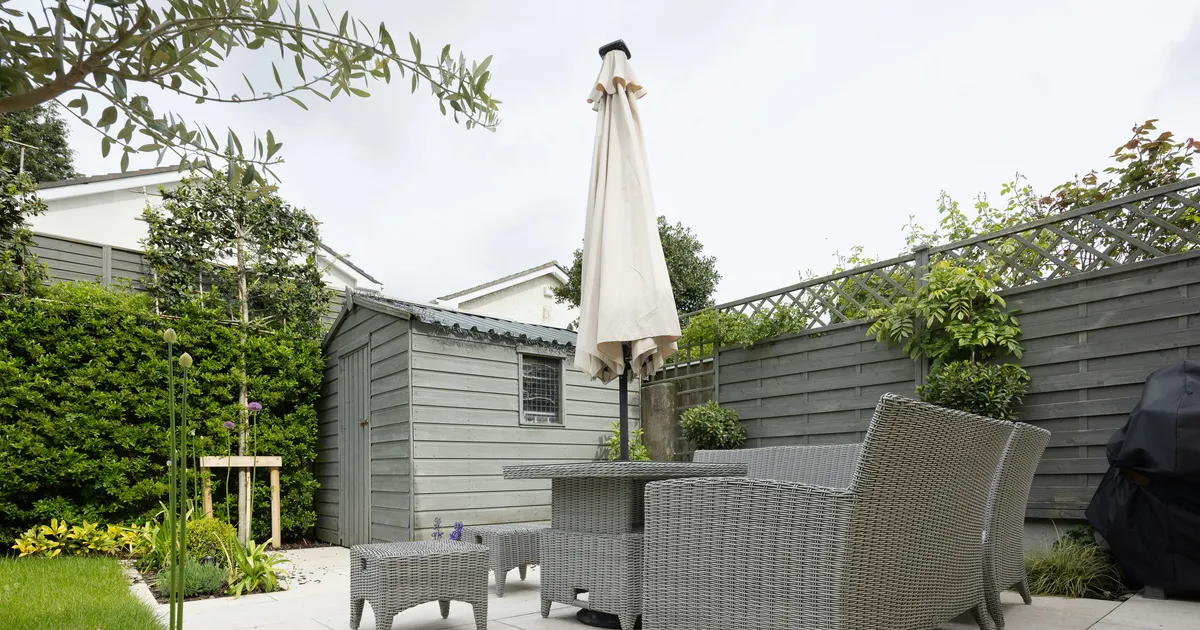
Seating Wall
A built-in seating wall around the fire pit is the feature that most transforms the project from "fire pit" to "fire pit area." The wall defines the space, provides permanent seating for 6–10 people, and reads as architectural rather than accessory.
- Concrete block seating wall (circular, 12 ft diameter): $1,500–$4,000
- Natural stone seating wall: $2,500–$6,000
- Bluestone or slab cap on masonry wall: $500–$1,500 additional for cap material
Gas vs. Wood-Burning: Cost and Practical Differences
| Feature | Gas Fire Pit | Wood-Burning |
|---|---|---|
| Installation premium | +$1,500–$4,000 | Base cost only |
| Ignition | Instant, adjustable | Manual (15–30 min) |
| Smoke | None | Significant (wind-dependent) |
| Monthly running cost | $20–$60 (natural gas) | $30–$100 (firewood) |
| Permitted in smoke-restricted areas | Usually yes | Often restricted |
| Resale appeal | High | Moderate |
| Gas line (natural gas) | +$500–$2,000 (run length) | N/A — no equivalent |
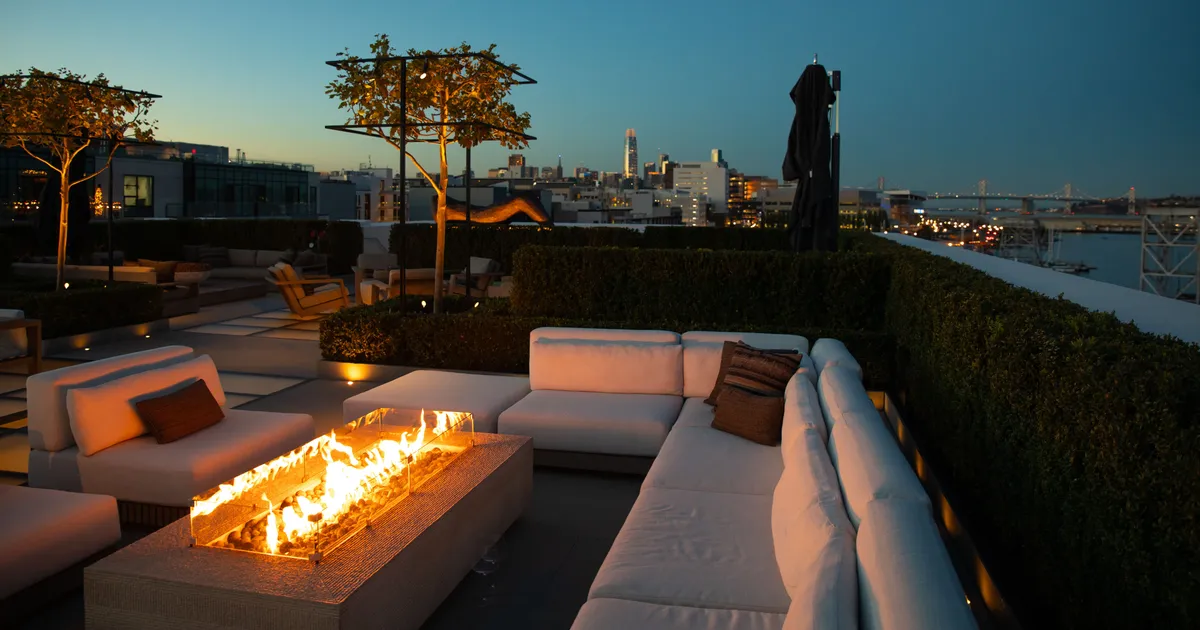
Gas fire pits cost more to install but are significantly more convenient to operate — and in cities with wood-burning restrictions, gas may be the only permitted option. Natural gas (piped from the house) has lower operating costs than propane; the gas line extension costs $500–$2,000 depending on run length.
Propane is an alternative where natural gas isn't available — a propane tank setup costs $200–$500 for connection, plus $40–$60 per tank refill.
Wood-burning fire pits produce a more authentic campfire experience — crackling sound, larger flames, traditional aesthetic — that some homeowners specifically prefer. They are also not dependent on a gas connection, making them practical for properties without convenient gas access.
For resale, gas fire pits with a dedicated natural gas line read as a permanent infrastructure improvement. Propane fire pits are treated more like appliances.
Materials Guide: What Holds Up and What Fails
Fire pit materials face extreme thermal cycling — temperatures inside the fire bowl exceed 1,000°F, then cool to ambient overnight. The wrong material will spall, crack, or crumble within 1–3 seasons.
Interior / Fire Bowl Materials
- Fire-rated brick (refractory brick): Best choice for wood-burning pits. Rated for sustained high heat. $3–$6 per brick.
- Steel liner / fire bowl insert: Most practical solution — a pre-formed steel bowl drops into a masonry ring, absorbs the heat, and can be replaced when worn. $150–$500.
- Corten weathering steel: Develops a rust-coloured patina that many find attractive. Durable for fire use. Popular for contemporary designs.
- Standard concrete or river rock: Will spall and crack from thermal cycling. A common and expensive mistake — do not use as interior fire pit material.
Exterior / Veneer Materials
- Natural stone (granite, fieldstone, bluestone): Premium look, highly durable, expensive. $20–$60/sq ft.
- Manufactured stone veneer: Best value for the look of natural stone. $8–$20/sq ft. Highly realistic at mid-close range.
- Stucco over CMU block: The cheapest approach. Durable if properly sealed. Can be painted or finished in multiple textures.
- Brick: Classic, durable, requires less maintenance than stone veneer. $6–$12/sq ft of face area.
- Corten weathering steel: A trending exterior veneer for contemporary designs — develops a rust-coloured patina and pairs well with minimalist hardscaping.
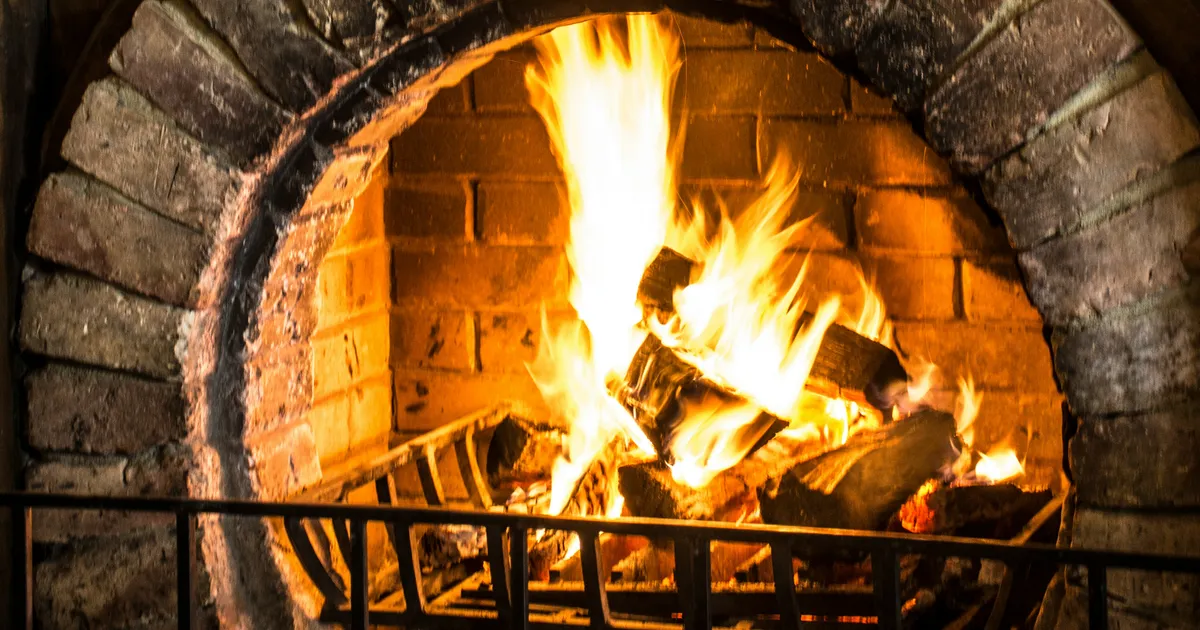
Fire Pit Seating Area: Size, Layout, and Cost
The seating area is what separates a fire pit project from a fire pit area. Size and layout determine how usable and sociable the space actually is.
Sizing Guide
- Minimum functional area (4 people): 10×10 ft patio with chairs set 5–6 ft from the fire pit centre
- Comfortable area (6–8 people): 12×12 ft patio or 14 ft diameter circle
- Entertaining area (8–12 people): 16×16 ft or larger, with built-in seating wall on 3 sides
- Code clearance: 10 ft minimum from structures, overhanging trees, and fences per most fire codes
A built-in seating wall rather than portable chairs has two advantages: it defines the space architecturally (creating a "room" feel), and it eliminates the cost and storage hassle of outdoor seating. The wall cap — typically bluestone, granite, or poured concrete — should be wide enough to set a drink on (14–18 inches is standard).
For help visualising how a fire pit area fits in your specific backyard before building, Hadaa's backyard design tool lets you generate photorealistic renders showing the fire pit, seating, and surrounding patio in the context of your actual outdoor space.
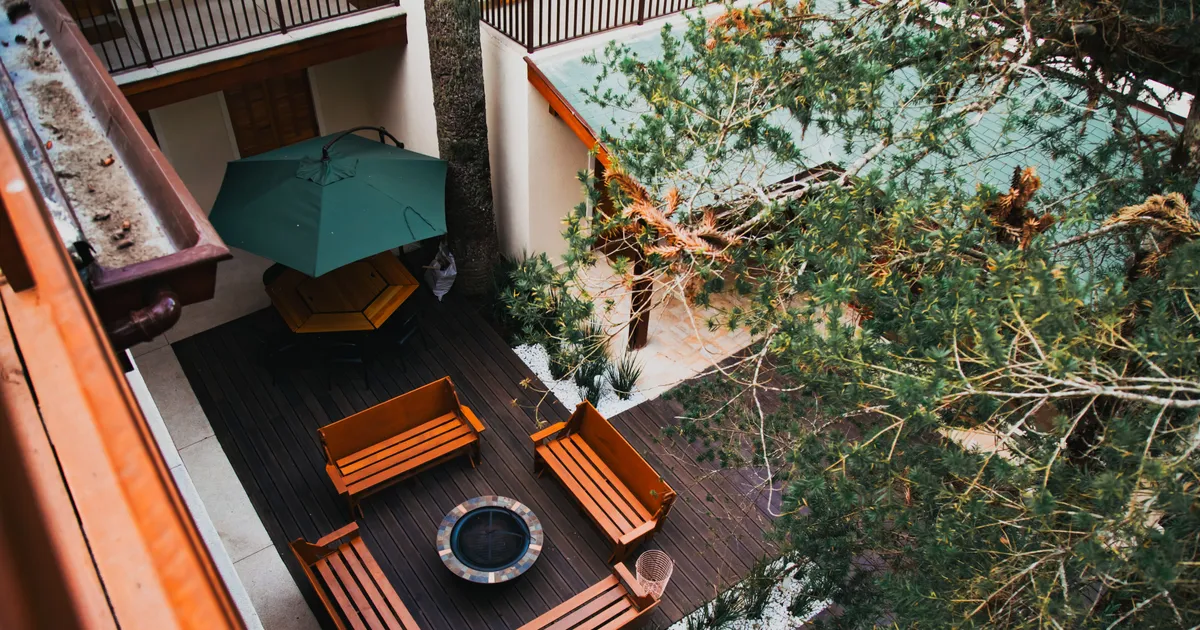
DIY vs. Professional: What Each Path Costs
| DIY | Professional | |
|---|---|---|
| Cost | $150–$700 (materials only) | $800–$4,000+ |
| Time | 2–3 weekends | 1–3 days |
| Gas / electrical | Not permitted — licensed pro required | Included |
| Warranty | None | Typically 1–2 years labor |
| Permit handling | Your responsibility | Usually handled by contractor |
| Best for | Simple wood-burning above-ground | Any permanent, gas, or stone installation |
DIY is genuinely viable for a stacked concrete block or simple above-ground pit. The materials cost $150–$400 and construction is a weekend project if you're comfortable with basic groundwork. Where DIY fails is foundation prep — most DIY fire pits skip adequate compaction or drainage, which causes settling and cracking within 2–5 years.
Gas and electrical work cannot be DIY'd under any circumstance — local codes require licensed contractors, permits, and inspections regardless of how capable you are.
ROI: What Fire Pit Areas Return at Resale
Fire pits have strong buyer appeal — they rank consistently in the top five most-desired backyard features in homeowner surveys — but the resale return depends heavily on whether the feature is integrated into a designed outdoor space or installed as a standalone addition.
Fire pit installations return 67–80% of cost at resale according to industry data, outperforming outdoor fireplace installations (56% ROI).
Regional cost adjustment (rough guide)
- Northeast (NY, MA, CT): +20–30% above national average
- West Coast (CA, WA, OR): +15–25%
- South (TX, FL, GA): –10–15%
- Midwest / baseline: national average figures apply
Labor rate variation accounts for most of the regional difference; material transport adds 10–20% in areas far from quarries or manufacturing hubs.
-
Integrated fire pit area (patio + seating + pit):
Returns 50–80% of installation cost as part of the overall outdoor living value. Appraisers assess it as part of the outdoor living zone. A $5,000 fire pit area integrated into a $15,000 patio project is appraised as part of that $15,000 improvement.
-
Standalone built-in fire pit (no patio):
Returns 30–60% as a standalone feature. Buyers see it as an improvement to assess relative to the overall outdoor space — a fire pit surrounded by bare lawn reads as incomplete.
-
Portable fire pit:
Zero resale value — it will be taken when you move and does not appear in appraisals.
The integration principle
Fire pits earn their strongest ROI as part of a cohesive outdoor living zone — not in isolation. A fire pit connected to a patio, surrounded by thoughtful planting, and aligned with the overall outdoor space design delivers more value (and more enjoyment) than the same fire pit dropped into an undeveloped area. This is why planning the fire pit area as part of a whole-backyard design matters.
For broader context on how fire pits fit into different backyard budget tiers, see our guide to what $5k, $15k, $30k, and $60k buys in a backyard makeover — fire pit areas typically appear in the $15k tier and above.
For ideas on fire pit styles and design configurations, see our backyard fire pit ideas guide .
Design your fire pit area before you break ground
The most common fire pit mistake is getting the placement wrong — too close to the house, too far from the patio, or in a position that creates a smoke problem depending on prevailing wind direction.
Hadaa lets you upload a photo of your backyard and generate photorealistic renders showing a fire pit area in context — including placement relative to the house, how it integrates with existing features, and the overall visual balance of the outdoor space. Contractors respond differently to clients who arrive with a clear visual, and a rendered design reduces quote variance significantly.
Frequently Asked Questions
How much does a fire pit cost?
What is the cheapest fire pit option?
Does a fire pit add value to your home?
Do I need a permit for a fire pit?
How much does a gas fire pit cost vs wood-burning?
What materials are best for a built-in fire pit?
How big should a fire pit seating area be?
Can I design a fire pit area with AI before hiring a contractor?
How much does it cost to renovate or repair an existing fire pit?
How long do fire pits last before needing renovation?
Plan before you pour
See your fire pit area in your actual backyard before building.
Upload your backyard photo and generate photorealistic renders of a fire pit area in context. Get placement, materials, and scale right before any construction begins.

